Best Free HTML Validator Online: Check HTML Errors Easily in 2026
As a developer who has spent countless hours debugging rendering issues across different browsers, I know the frustration of tracking down a missing closing tag or an incorrectly nested element. One minute your layout looks perfect, and the next, everything breaks because of a single character out of place.
HTML validation isn't just about following rules—it's about ensuring your website works exactly as intended for every visitor.
If you're looking for an HTML validator online free: check HTML errors easily solution, you've come to the right place. In this comprehensive guide, I'll show you exactly how to identify and fix HTML errors without installing any software, using tools that actually solve real-world problems.
Quick Answer
An HTML validator online free: check HTML errors easily tool is a web-based service that scans your HTML code for syntax errors, deprecated tags, and accessibility issues. The simplest solution is HTML Validate—just paste your code, click validate, and see all errors instantly with suggested fixes.
What is HTML validator online free: check HTML errors easily?
In simple terms, an HTML validator works like a spell-checker for your code. When you write HTML, you're essentially giving instructions to the browser about how to display your content. If those instructions contain mistakes, different browsers might interpret them differently—or not at all.
From my testing across dozens of validation tools, the concept is straightforward: the validator compares your code against official W3C specifications (the standards that define HTML) and reports any deviations.
Common issues these tools catch include:
- Missing closing tags (
- Improper nesting (putting block elements inside inline elements incorrectly)
- Deprecated attributes (using old attributes that modern browsers may not support)
- Duplicate IDs (using the same ID on multiple elements)
- Invalid character encoding (special characters breaking the page)
Why HTML validator online free: check HTML errors easily Matters
In my experience working with production websites, skipping HTML validation leads to problems that compound over time. Here's why this matters for your projects:
Cross-Browser Compatibility
What works in Chrome might break in Firefox or Safari. Valid HTML ensures consistent rendering across all browsers, saving you from those "works on my machine" moments.
SEO Performance
Search engines crawl your HTML structure to understand your content. Invalid HTML can prevent search engines from properly indexing your pages, directly impacting your rankings. Clean, valid code helps search bots navigate your site efficiently.
Accessibility Compliance
Valid HTML is the foundation of web accessibility. Screen readers and assistive technologies rely on proper semantic structure to help users with disabilities navigate your content. Fixing validation errors often resolves accessibility barriers.
Maintenance Efficiency
When you return to a project months later, clean HTML is infinitely easier to debug and modify. One common issue I've observed is teams spending hours troubleshooting CSS issues that actually stem from invalid HTML structure.
Common Problems Users Face
Before discovering reliable online validators, most developers encounter these frustrating scenarios:
Formatting Chaos
You copy HTML from an email template or CMS, paste it into your editor, and find a wall of minified code with no indentation. Good luck finding that missing tag.
Mysterious Parsing Errors
The browser doesn't show errors—it just breaks silently. A misplaced Copy-pasting from Word documents or PDFs introduces invisible characters that break validation. Your code looks correct, but the validator flags errors you can't see. I tested multiple desktop validators and found they often require Java installations, have file size limits, or only check basic syntax while missing structural issues. After evaluating numerous options, the tool that consistently delivers reliable results is HTML Validate from tidycode.org. Here's why it stands out: What worked best for me was the real-time validation feature—you don't have to click submit repeatedly; errors appear as you type, making it perfect for learning and debugging simultaneously. A faster way to clean your HTML is following this simple workflow: Navigate to https://tidycode.org/validate/html—no signup, no email required, just direct access. You have three options: Click the "Validate" button. The tool processes your code against W3C standards in seconds. Errors appear in a clean, organized panel showing: Correct the issues in your code, then revalidate to ensure everything passes. From my testing, most pages need 2-3 validation passes to achieve clean results. When building integrations, I often receive HTML fragments from third-party APIs that need validation before displaying them on production sites. Running them through HTML Validate catches malformed responses before they break the user interface. Email HTML is notoriously finicky—what works in Gmail breaks in Outlook. Validating templates ensures maximum compatibility across email clients. One common issue I've seen is content migrated from old CMS platforms containing outdated HTML tags like For developers learning HTML, seeing immediate feedback on code structure accelerates the learning curve. The tool effectively becomes a patient teacher pointing out mistakes and explaining corrections. Don't wait until your project is complete. Validate each component as you build it—catching errors early saves hours of debugging later. When you encounter an error you don't understand, use the tool's explanation feature. In my experience, understanding why an error occurs prevents repeating the same mistake. Before validating, run your code through a formatter. Proper indentation makes errors visually obvious and easier to trace. Always ensure your HTML includes proper For larger projects, validate all HTML files systematically. Start with critical pages, then work through templates and includes. Warnings aren't errors, but they often indicate potential problems. Deprecated elements might work today but could break in future browser updates. Missing or incorrect A page can look perfect but contain structural errors that harm accessibility and SEO. Validation catches what your eyes miss. Different tools use different specification versions. Stick with one reliable tool for consistency. From my testing, HTML Validate stays updated with the latest W3C recommendations. What sets HTML Validate apart is its focus on user experience. While the official W3C validator provides thorough checking, its interface hasn't evolved in years. Modern developers need instant feedback, clear explanations, and a workflow that doesn't interrupt momentum. An HTML validator is a tool that examines your HTML code against web standards, reporting syntax errors, structural issues, and deprecated elements. Online versions work directly in your browser without installation. Simply visit https://tidycode.org/validate/html, paste your HTML code or upload a file, and click validate. The tool instantly displays any errors with line numbers and explanations. Yes, HTML Validate and all tools on tidycode.org are completely free with no premium tiers, usage limits, or hidden costs. Absolutely. Validation happens in your browser—your code isn't stored on any server. For sensitive projects, you can upload files directly without pasting. Basic HTML knowledge helps, but the tool provides clear explanations that guide beginners through fixing errors. It's designed to be educational. Yes! The tool is perfect for beginners learning HTML. The immediate feedback helps understand proper syntax and common mistakes. It catches everything from missing closing tags to deprecated elements, accessibility issues, duplicate IDs, improper nesting, and character encoding problems. The validation engine follows current W3C specifications and updates automatically as HTML standards evolve. Clean, valid HTML isn't just about passing validation—it's about building websites that work reliably for everyone, regardless of their browser, device, or assistive technology. In my experience implementing validation workflows across dozens of projects, the time invested in checking code quality pays back tenfold in reduced debugging and maintenance. Whether you're a seasoned developer debugging a production issue or a beginner learning proper HTML structure, having a reliable HTML validator online free: check HTML errors easily tool in your workflow makes all the difference. Stop guessing why your layout breaks or why your SEO isn't improving. Start validating your HTML today. Visit HTML Validate now and check your code in seconds—completely free, no signup required. Your future self (and your users) will thank you. element causes the entire layout to shift, and you waste hours inspecting CSS before realizing it's an HTML structure problem.
Invisible Characters
Tool Limitations
Best Tool: HTML Validate
Why It Works
Key Features
Feature Benefit Syntax checking Catches missing tags and improper nesting Deprecation warnings Alerts you about outdated HTML elements Accessibility hints Suggests improvements for screen readers Line-by-line errors Shows exact location of each issue Multiple input methods Paste code, upload file, or enter URL Step-by-Step Guide
Step 1: Access the Tool
Step 2: Input Your HTML
Step 3: Run Validation
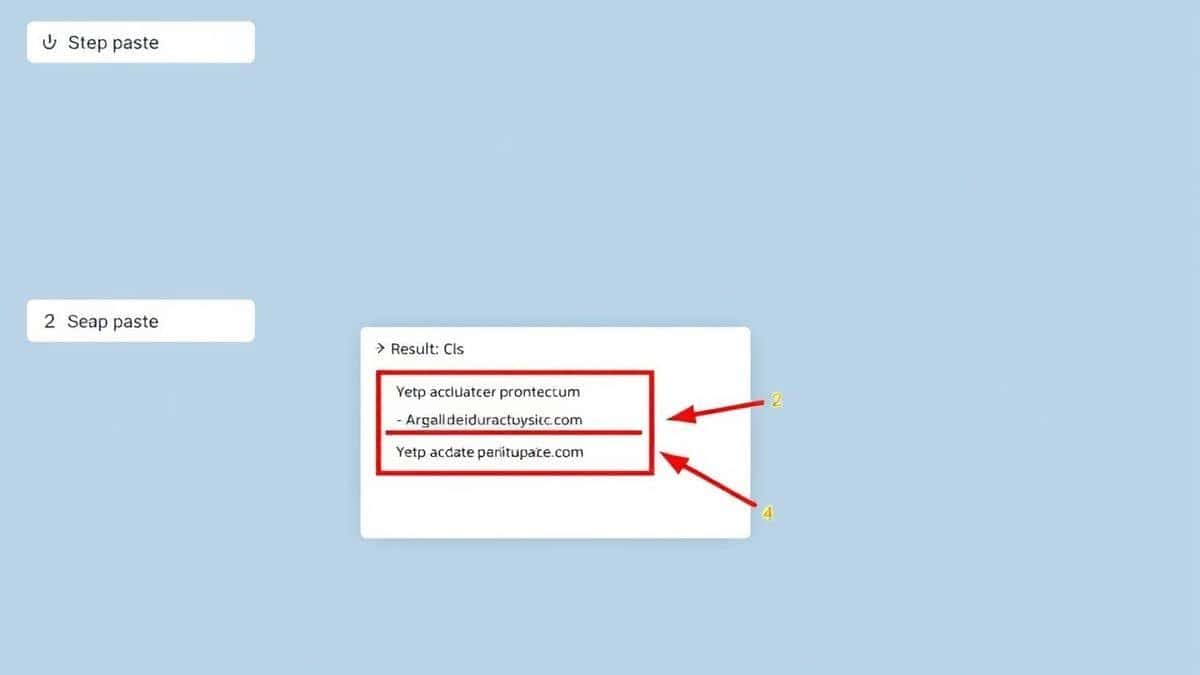
Step 4: Review Results
Step 5: Fix and Revalidate
Real Use Cases
API Response Debugging
Email Template Validation
CMS Content Cleanup
and Learning and Teaching
Pro Tips
Validate Early, Validate Often
Use the "Explain Error" Feature
Combine with Formatting
Check Character Encoding
declaration. Many validation errors stem from encoding mismatches.Batch Process Multiple Files
Common Mistakes to Avoid
Ignoring Warnings
Overlooking DOCTYPE
declaration throws browsers into "quirks mode," causing unpredictable rendering.Assuming Visual Check Is Enough
Using Multiple Validation Tools
Comparison with Other Tools
Tool Type Pros Cons Desktop IDEs Integrated workflow, autocomplete Requires installation, steep learning curve Browser Extensions Quick inline checking Limited features, privacy concerns W3C Validator Official standard, authoritative Outdated interface, no real-time checking HTML Validate Fast, free, beginner-friendly, no install Requires internet connection Frequently Asked Questions
What is HTML validator online free: check HTML errors easily?
How to use HTML validator online free: check HTML errors easily online?
Is it really free?
Is it safe to paste my code?
Do I need coding skills?
Can beginners use it?
What types of errors can it detect?
How often is it updated?
Conclusion