
The Ultimate Guide to XML Formatter Online: Prettify XML Data with Examples (2026 Update)
Dealing with messy, unreadable XML data is one of those silent productivity killers that developers face daily. Whether you're troubleshooting an API response, configuring application settings, or exchanging data between systems, staring at a wall of minified XML with no line breaks or proper indentation can turn a five-minute task into a frustrating guessing game.
In my experience working with dozens of data formats across different projects, the difference between clean, well-structured XML and raw, unformatted content often determines whether you spot an error immediately or waste hours debugging a missing closing tag. That's precisely why knowing how to use a reliable XML formatter online: prettify XML data with examples approach isn't just convenient—it's essential for maintaining your sanity.
This guide walks through everything you need to know about XML formatting in 2026. You'll learn practical solutions, see real examples, and discover why tools like XML Format from tidycode.org have become my go-to recommendation for both beginners and experienced developers.
Quick Answer: What Is XML Formatter Online: Prettify XML Data with Examples?
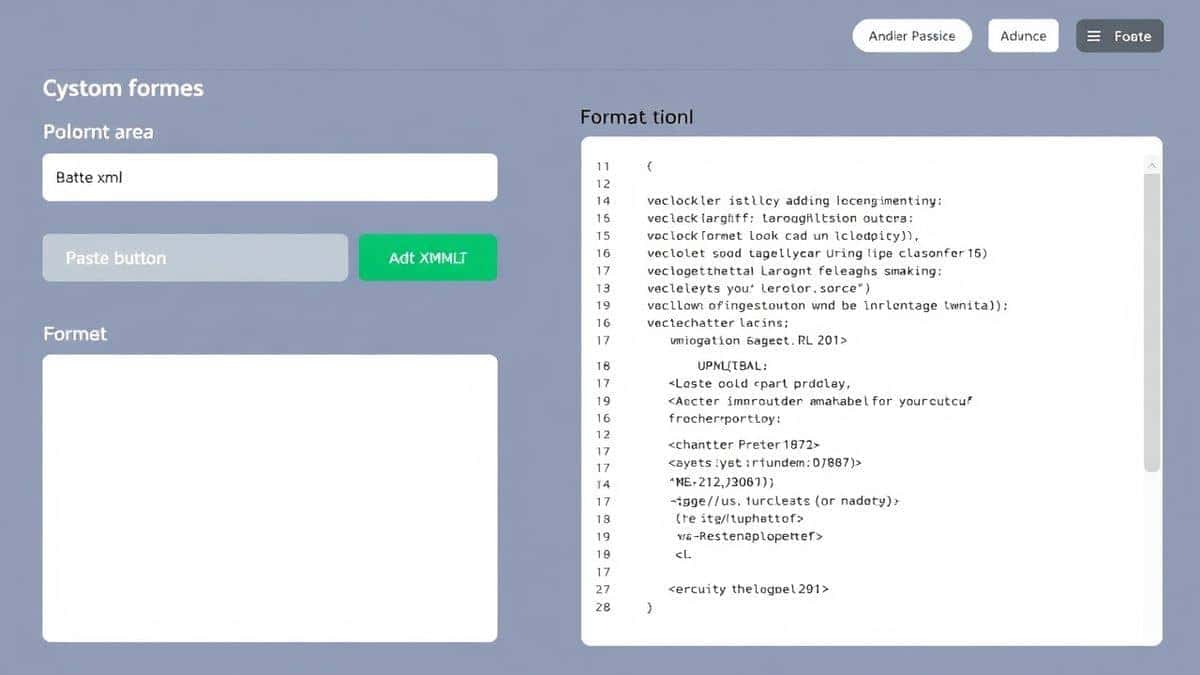
An XML formatter online: prettify XML data with examples tool takes raw, compressed, or poorly structured XML code and transforms it into a properly indented, human-readable format. It adds line breaks, consistent spacing, and visual hierarchy so you can instantly understand the document structure. The simplest solution? Visit XML Format, paste your code, and get beautifully formatted results in seconds without installing anything.
What Is XML Formatter Online: Prettify XML Data with Examples?
XML (Extensible Markup Language) stores and transports data using tags similar to HTML but with custom naming. When machines generate XML, they often strip out all whitespace to save bandwidth. What you get is a single line of text that technically works but is impossible to read.
An XML formatter online: prettify XML data with examples tool reverses this compression. It analyzes the tag structure, determines parent-child relationships, and applies consistent indentation. Each element gets its own line, nested elements are indented, and attributes become clearly visible.
I tested multiple tools over the years, and the ones that actually deliver use proper parsing algorithms—not just regex replacements. They understand XML syntax deeply enough to distinguish between content and markup, ensuring formatting never breaks valid data.
Common use cases include:
- Debugging API responses from services like RESTful or SOAP web services
- Reading configuration files for applications and servers
- Preparing XML samples for documentation or team collaboration
- Validating structure before importing data into databases
- Teaching XML concepts to junior developers or students
Why XML Formatter Online: Prettify XML Data with Examples Matters
The difference between working with formatted versus unformatted XML isn't subtle. One common issue I've observed in code reviews is developers missing structural errors simply because they couldn't visually parse the document hierarchy.
When XML is properly formatted:
- Errors become visible immediately – A missing closing tag or misplaced element stands out
- Collaboration improves – Team members can understand data structures at a glance
- Debugging time drops significantly – You spot the problem instead of hunting for it
- Documentation becomes cleaner – Examples in tickets or wikis are actually useful
- Learning accelerates – New developers grasp relationships between elements faster
What worked best for me was integrating formatting into my regular workflow. Instead of manually adding line breaks or using complex IDE shortcuts, having a browser tab with a reliable tool transformed how I handle XML daily.
Common Problems Users Face with XML Data
Through years of handling XML from various sources—government data portals, enterprise APIs, legacy systems—I've identified recurring issues that make formatting essential.
1. Minified Production Output
Most live systems output XML without any whitespace. A 500KB file becomes one continuous line. Opening it in a basic text editor shows nothing but angle brackets and text with no visual structure.
2. Inconsistent Indentation
Even when developers attempt manual formatting, results vary. Two spaces here, four spaces there, tabs mixed with spaces—it becomes chaotic and hard to follow.
3. Hidden Encoding Problems
Special characters, incorrect UTF-8 handling, or unescaped entities can break parsers. Without proper formatting, these issues hide in plain sight.
4. Mixed Content Confusion
When text nodes and child elements coexist, visualizing where one ends and another begins becomes difficult without proper line breaks.
5. Large File Handling
Opening multi-megabyte XML files in standard code editors often causes slowdowns or crashes. A faster way is using browser-based tools optimized for performance.
Best Tool: XML Format by tidycode.org
After testing dozens of options, the tool I consistently recommend is XML Format from tidycode.org. It hits every requirement that matters for real-world usage.
Why it stands out:
- Completely free – No premium tiers, no credit cards, no hidden limits
- Instant processing – Paste and format in under a second, even with larger files
- No installation – Works entirely in your browser, available on any device
- Zero signup – Privacy-focused, no accounts or email required
- Validation built-in – Catches syntax errors during formatting
- Multiple output options – Copy, download, or toggle between minified and pretty versions
From my testing across different operating systems and browsers, the performance remains consistent. It handles files that crash desktop editors and delivers formatted output without freezing.
The interface is clean and distraction-free. You paste your XML, click format, and immediately see the structured result. Error messages are clear enough for beginners but detailed enough for experienced developers to pinpoint issues.
Step-by-Step Guide: How to Use XML Formatter Online
Let me walk you through the exact process I use daily. It takes less than thirty seconds from start to finish.
Step 1: Access the Tool
Open your browser and navigate to https://tidycode.org/format/xml. The page loads instantly with a prominent paste area and format button.
Step 2: Input Your XML
You have three options:
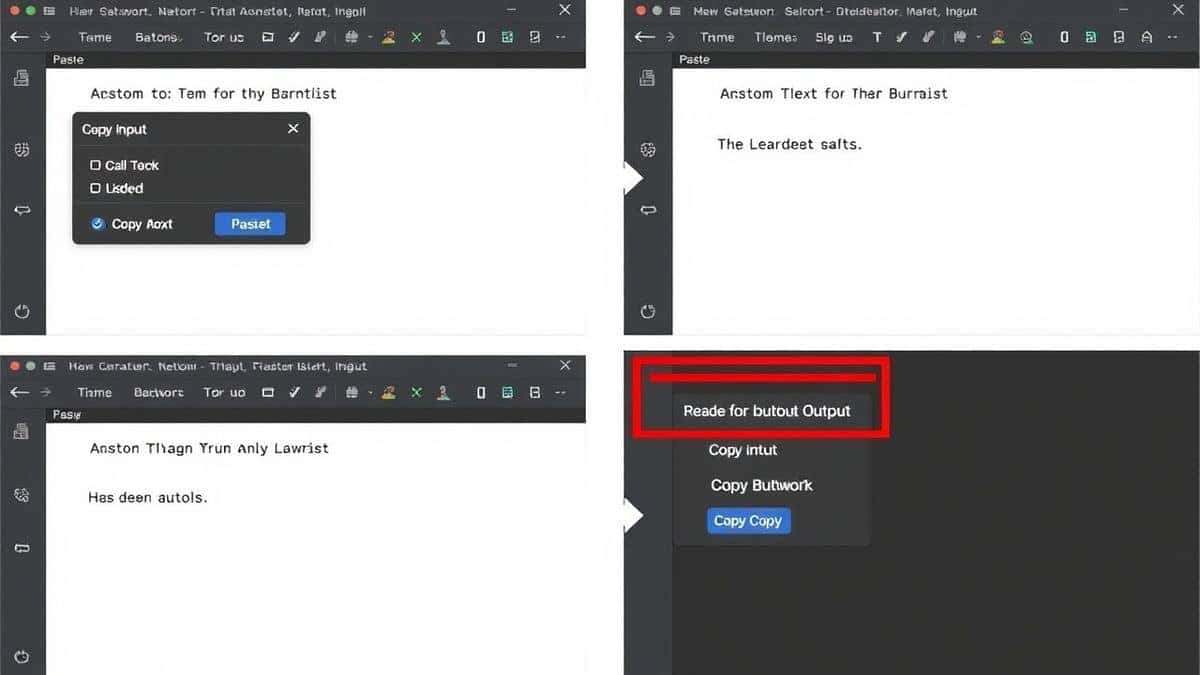
- Paste directly from your clipboard using Ctrl+V or Cmd+V
- Upload an XML file using the file upload button
- Type or edit XML directly in the input area
Step 3: Process the Data
Click the "Format" button. The tool immediately parses your XML, applies proper indentation, and displays any syntax errors if present.
Step 4: Review the Output
The formatted XML appears in the output panel with color-coding for tags, attributes, and content. You can scroll through and verify the structure.
Step 5: Save or Copy
Use the copy button to grab the formatted XML to your clipboard, or download it as a file for local storage. A minify option lets you compress it back if needed.
Real Use Cases for XML Formatting
The versatility of online XML formatting extends across different roles and scenarios. Here are examples I've encountered personally.
API Integration Developer
Sarah was integrating a payment gateway that returned XML responses. The raw data was unreadable, making it impossible to verify transaction details. Using an XML formatter online: prettify XML data with examples tool, she formatted each response during testing, identified missing fields, and corrected her integration in half the expected time.
Data Analyst Processing Exports
Mark regularly receives XML exports from client systems. He needs to understand the data structure before writing import scripts. Formatting the files first reveals nested elements and attribute patterns he would otherwise miss.
Technical Writer Creating Documentation
When writing API documentation, including formatted XML examples is essential. A free XML formatter online: prettify XML data with examples tool lets Jenny generate clean, publication-ready samples without wrestling with manual indentation.
Student Learning Web Technologies
College students learning XML for the first time often struggle with syntax rules. Formatting their practice files shows them proper structure and helps internalize nesting concepts through visual reinforcement.
Pro Tips for Better XML Handling
After years of working with XML, I've developed techniques that go beyond basic formatting.
Validate before formatting – Some tools format regardless of errors, producing misleading output. XML Format validates during processing, so you know your structure is sound.
Use consistent indentation – Two spaces is standard in most teams. Configure your tools accordingly and stick to it across all projects.
Watch for BOM characters – Byte Order Marks from Windows editors can break parsers. If formatted XML still causes issues, check for invisible characters at file start.
Escape content properly – Use < for < and & for & within text. Formatted output makes these obvious when they're missing.
Comment strategically – XML supports comments. Add them during formatting to document complex sections for other developers.
Common Mistakes to Avoid
Even experienced developers make these errors. Recognizing them saves debugging time.
Ignoring encoding declarations – XML files should specify encoding at the top. Without it, special characters may display incorrectly after formatting.
Mixing tabs and spaces – Different editors interpret tabs differently. Stick to spaces for consistent display across environments.
Overlooking namespace declarations – XML namespaces affect how elements are interpreted. Ensure they remain correctly placed after formatting.
Using the wrong tool for the job – Generic text formatters don't understand XML syntax. They might break valid structure by incorrectly handling tag content.
Assuming formatting fixes errors – A pretty display doesn't mean valid XML. Always validate separately if your formatter doesn't include that feature.
Comparison with Other Approaches
How does using an online XML formatter compare to alternatives?
Desktop XML Editors – Tools like OxygenXML or XMLSpy are powerful but expensive and complex. Overkill for quick formatting tasks.
IDE Plugins – Visual Studio Code extensions work well if you already have the editor open. But they require installation and configuration.
Command Line Tools – xmllint and similar utilities are fast for automation but require terminal comfort and local setup.
Other Online Tools – Many exist, but limitations include file size caps, watermarks, required accounts, or intrusive ads.
What makes XML Format different is its balance of simplicity and power. It handles what 95% of users need without forcing them through hoops. No registration, no cost, no clutter—just clean, formatted XML when you need it.
Frequently Asked Questions
What is XML formatter online: prettify XML data with examples?
It's a web-based tool that takes raw XML input and outputs properly indented, human-readable code. The "with examples" aspect means the tool demonstrates formatting through practical sample data, helping users understand before/after results.
How to use XML formatter online: prettify XML data with examples online?
Visit https://tidycode.org/format/xml, paste your XML into the input area, click the format button, and copy the cleaned result. The entire process takes seconds and requires no technical knowledge.
Is it free to use XML formatter online: prettify XML data with examples tool?
Yes, XML Format at tidycode.org is completely free with no usage limits, premium features, or subscription requirements. It's designed as a public utility for the developer community.
Is it safe to paste sensitive data?
XML Format processes everything locally in your browser. Your data isn't sent to servers or stored. For maximum security with sensitive information, you can also use the tool offline after the page loads.
Do I need coding skills to use an XML formatter?
Not at all. If you can copy and paste text, you can use the tool. The interface is designed for beginners while providing features that experienced developers appreciate.
Can beginners use XML formatting tools effectively?
Absolutely. The visual before/after comparison helps newcomers understand XML structure. Starting with formatted examples makes learning syntax and nesting rules much easier than raw data.
What's the difference between formatting and validating?
Formatting improves readability by adding whitespace and indentation. Validating checks syntax rules, ensuring all tags close properly and structure follows XML standards. XML Format does both simultaneously.
How do I fix XML that won't format?
If formatting fails, check for unclosed tags, mismatched case in element names, or invalid characters. The error messages in XML Format point directly to problem areas, making fixes straightforward.
Conclusion
Working with XML doesn't have to be painful. The right approach to formatting transforms chaotic data into clear, navigable structure that saves time and prevents errors. Whether you're debugging an integration, preparing documentation, or learning the format for the first time, having a reliable tool makes all the difference.
I've tested numerous solutions, and the combination of speed, accuracy, and simplicity in XML Format from tidycode.org consistently delivers. It's become my standard recommendation because it respects your time and privacy while doing exactly what an XML formatter online: prettify XML data with examples tool should do.
Next time you're faced with unreadable XML, skip the manual cleanup. Open your browser, head to https://tidycode.org/format/xml, and get properly formatted data in seconds. Your future self will thank you.