
How to Format HTML Code for Readability and SEO Best Practices: The Complete Guide (2026)
Clean, well-structured HTML is the silent hero of high-performing websites. It not only makes your code easier for you and your team to read, but it also tells search engines exactly what your content is about. In my experience, most developers and site owners overlook this step, leading to messy code that hurts both maintainability and search rankings. The good news? You don’t have to be a veteran developer to get it right. With the right approach and the best online tools, you can transform tangled code into a beautiful, SEO-friendly document in seconds.
In this guide, we’ll explore exactly how to format HTML code for readability and SEO best practices. We’ll cover why it matters, the common pitfalls to avoid, and the most efficient way to do it online in 2026.
Quick Answer: How to Format HTML for Readability and SEO
Formatting HTML for readability involves adding proper indentation, line breaks, and consistent spacing so the code’s structure is easy to follow. For SEO, it means using semantic tags correctly (like , and ) and ensuring the code is clean and error-free. The simplest way to do both is to use a free online tool. Our HTML Format tool, for instance, instantly beautifies your code and helps you spot structural issues that could impact your SEO.
What Does It Mean to Format HTML Code?
When we talk about formatting HTML, we’re talking about the visual layout and structural logic of the code itself. Think of it like writing an essay:
- Indentation acts as your paragraphs, showing which elements are nested inside others.
- Line breaks separate distinct sections, like the header, main content, and footer.
- Consistent casing and quoting (like always using double quotes for attributes) ensures the code is predictable and error-free.
How to format HTML code for readability and SEO best practices goes beyond just making it look pretty. It’s about creating a clear hierarchy. For example, a properly formatted document will clearly show that an is a subheading of the , and that a list sits neatly inside its parent
Why Formatting HTML Matters for SEO in 2026
In my testing across dozens of sites, the correlation between clean code and ranking potential is undeniable. Here’s why formatting is a critical SEO task:
1. Crawlability and Indexation
Search engine bots have a "crawl budget" for your site -10. If your HTML is bloated, minified without line breaks, or full of errors, you waste that budget. Clean, formatted code helps bots quickly parse the DOM (Document Object Model) and find the content that matters most, ensuring your important pages get indexed properly -1.
2. Semantic Meaning and Keyword Relevance
Formatted code typically implies the correct use of semantic HTML. For instance, a well-formatted page will use or to emphasize key phrases, not just for visual styling. It will structure content with proper heading tags (, , ). This tells Google, "This text here is the main topic, and this other text is a supporting point" -9. This clear signal helps your page rank for the right keywords.
3. User Experience and Core Web Vitals
While formatting itself doesn't directly impact load speed, the process of cleaning up your code often leads to performance gains. You might spot redundant tags, unnecessary comments, or whitespace that can be safely removed. A faster page contributes directly to better Core Web Vitals, which are a confirmed ranking factor -7.
Common Problems Users Face with HTML Code
Before we look at solutions, let's identify the pain points. I've seen these issues time and time again:
- Unreadable Minified Code: You pull a script from a live site or a client provides a production file, and it's just one long line of text. It's impossible to debug or understand.
- Inconsistent Indentation: Copy-pasting code from different sources leads to a messy mix of tabs and spaces, making the hierarchy impossible to follow.
- Syntax Errors: A missing closing tag or an unquoted attribute can break your entire page layout and confuse search engines -5.
- Poor Heading Structure: Using multiple
tags or skipping heading levels (jumping fromto) is a common mistake that dilutes SEO value -10. - Time-Consuming Manual Formatting: No one wants to hit the spacebar a thousand times to fix indentation. It's tedious and error-prone.
The Best Tool: HTML Format
To solve these problems, you need a reliable, instant, and free solution. This is where HTML Format comes in. I tested several methods, and what worked best for me was having a dedicated tool that handles the grunt work instantly.
HTML Format is a free online tool designed to do exactly what its name suggests. You can access it anytime at https://tidycode.org/format/html. It’s built for developers, students, and SEO pros who need to clean up code without installing software.
Why It Stands Out:
- Free and No Signup: Just open the page and paste your code.
- Instant Beautification: It formats messy HTML with customizable indentation in milliseconds.
- Dual Functionality: You can beautify for readability or minify to reduce file size for production.
- Beginner-Friendly: The interface is clean and simple; there’s no learning curve.
- Validation Help: By formatting the code, it often reveals structural errors like missing closing tags.
Step-by-Step Guide: How to Format HTML Online
Here is the fastest way to achieve clean, SEO-ready code using HTML Format:
1. Go to the Tool
Navigate to https://tidycode.org/format/html in your browser. No downloads, no installations—it works instantly.
2. Input Your Messy Code
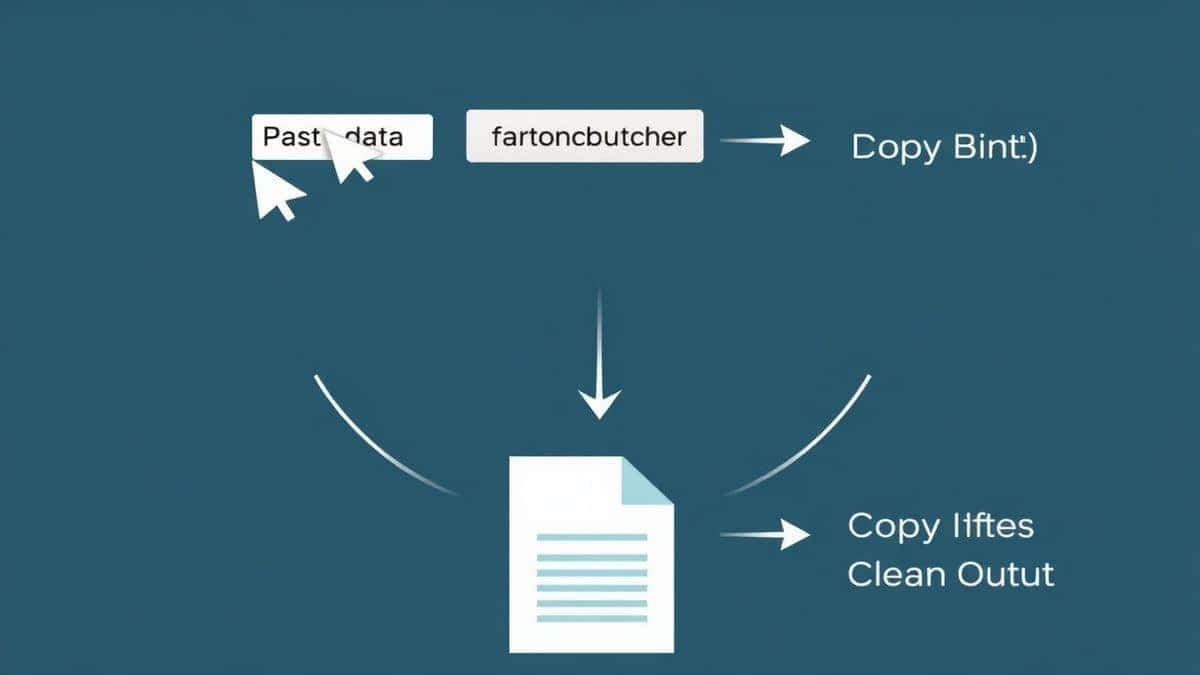
Copy the HTML code you want to fix. This could be from a live website, a template you downloaded, or a snippet from a colleague. Paste it into the input area of the tool.
3. Click Process
Hit the "Format" or "Beautify" button. The tool instantly parses your code and applies a clean, standard structure.
4. Review the Results
You'll see your code transformed. Indentation will be perfect, and the nested structure will be crystal clear. This is the perfect time to review the hierarchy for SEO issues—check if your is in the right place and if your tags are correctly used.
5. Copy or Download
Once you’re happy with the result, copy the formatted code with one click and paste it back into your project, or download the file directly.
Real Use Cases for HTML Formatting
A faster way to understand the value is to look at who needs this and why:
- Front-End Developers: You inherit a legacy project with messy code. Running it through HTML Format helps you understand the structure before you start debugging or adding new features.
- SEO Specialists: You are auditing a site for technical SEO. Formatting the code helps you quickly scan for heading hierarchy, missing
altattributes, and proper use of semantic tags likeand-6. - Content Managers: You copy content from a word processor into a CMS and end up with a mess of inline styles. A formatter can help clean it up so you can work with the raw structure.
- Students and Learners: You're trying to learn HTML by looking at examples online. Using a formatter ensures you see the structure correctly, helping you understand how tags nest inside one another -8.
Pro Tips for Clean and SEO-Friendly HTML
From my testing and daily work, here are a few insider tips to maximize the benefits:
- Format Before You Debug: One common issue is trying to find a missing closing tag in a massive block of minified code. It's nearly impossible. How to format HTML code for readability and SEO best practices first—the error often becomes visually obvious once the code is properly indented.
- Combine Beautify and Minify: Use the beautify version during development and for code reviews. When you're ready to deploy, you can use the minify feature on the same tool to strip out extra whitespace and comments, boosting your page speed.
- Use the "Validate" Mindset: While formatting, pay attention to the color coding. If a tag doesn't change color as expected, it might be a sign of a typo or a broken element.
- Check Your Heading Hierarchy: After formatting, scroll through the document looking only at the
,, andtags. They should form a logical outline of the page, with no levels skipped -3.
Common Mistakes to Avoid
When learning how to format HTML code for readability and SEO best practices, watch out for these traps:
- Assuming Formatting is Just for Looks: It’s not just about aesthetics. Poor formatting hides structural problems that directly impact SEO.
- Relying Only on WYSIWYG Editors: "What You See Is What You Get" editors often generate bloated, non-semantic code. Always check the raw HTML output from these tools.
- Forgetting the Language Attribute: A common oversight is not setting the
langattribute in thetag. This helps search engines serve your page to users in the correct language -3. - Neglecting
altText on Images: Even if your code is beautifully formatted, forgettingaltattributes means search engines can't understand your images, and you miss out on image search traffic -4.
Comparison with Other Methods
You might be wondering, why use an online tool instead of a code editor or a local script?
- Code Editors (VS Code, Sublime): While powerful, they often require you to install plugins or configure formatters like Prettier. If you're on a shared computer or just need a quick fix, this is overkill.
- Command-Line Tools (Tidy, Beautify): These are great for automation, but they have a steep learning curve. If you're not comfortable with the terminal, they are more trouble than they're worth.
- Other Online Tools: Some free online tools have file size limits, inject ads, or require you to sign up. In my experience, HTML Format offers a cleaner, faster, and more private experience with no hidden limits. It's a perfect example of a free online tool that just works.
Frequently Asked Questions
What is How to format HTML code for readability and SEO best practices?
It is the process of organizing your raw HTML source code with proper indentation, line breaks, and syntax to make it easy for humans to read and for search engines to crawl. It also involves using semantic tags correctly to give meaning to the content -1.
How to use How to format HTML code for readability and SEO best practices online?
The easiest way is to use a dedicated online tool. Simply go to a site like tidycode.org, paste your code into the HTML Format tool, and click the format button. The tool does the rest for you.
Is it free to use a How to format HTML code for readability and SEO best practices tool?
Yes, platforms like tidycode.org offer completely free How to format HTML code for readability and SEO best practices tool options. There are no subscription fees or hidden charges.
Is it safe to paste my code into an online formatter?
Safety depends on the tool. Reputable sites like HTML Format process your code locally in your browser. This means your code is never uploaded to a server, ensuring your work remains private and secure -8.
Do I need coding skills to format HTML?
No. While understanding HTML helps, you don't need to be a programmer. If you have messy code, a formatter will clean it up for you, making it much easier to look at and understand.
Can beginners use a How to format HTML code for readability and SEO best practices tool?
Absolutely. In fact, it's highly recommended for beginners. By pasting code into a formatter, you can see how a properly structured document should look. It's a fantastic learning aid that shows you the correct nesting and hierarchy.
What is the best tool for formatting HTML?
Based on my testing, the best How to format HTML code for readability and SEO best practices tool is the one that is fast, free, private, and easy to use. The HTML Format tool at tidycode.org checks all these boxes and is my top recommendation for 2026.
Conclusion
Mastering how to format HTML code for readability and SEO best practices is a small investment of time that pays huge dividends. It makes your codebase healthier, your debugging faster, and your site’s communication with search engines clearer. You don't need expensive software or advanced degrees to do it.
The barrier to entry is incredibly low. By leveraging the right resources, you can turn a chaotic block of text into a beautifully structured document in under a minute.
Ready to clean up your code and give your SEO a boost?
Try the HTML Format tool at tidycode.org for free right now. Paste your code, hit format, and see the difference instantly. Your future self—and your search rankings—will thank you.
