Python String Formatting Examples: f-string vs format (2026 Complete Guide)
Writing Python code often means wrestling with messy string formatting. You need to embed variables, control decimal places, or align text—but your code throws syntax errors, or the output looks unreadable. As someone who spends hours cleaning data and fixing broken scripts, I know the frustration of debugging string formatting issues.
The good news? You don't need to install complex IDEs or memorize every formatting rule. A faster, browser-based solution exists. In this guide, I'll walk you through Python string formatting examples: f-string vs format, show you exactly when to use each method, and introduce you to a free online tool that eliminates guesswork: the Python Format String tool from tidycode.org. Whether you're validating JSON responses or converting CSV data, mastering these formatting techniques will save you hours.
Quick Answer
Python string formatting examples: f-string vs format demonstrate the two primary modern methods to insert variables into strings in Python 3. f-strings (literal string interpolation) are newer, faster, and more readable, while str.format() offers more flexibility for complex templating. If you need to quickly test or debug formatting syntax, the free Python Format String online tool lets you generate and validate both styles instantly without writing a single line of code in your terminal.
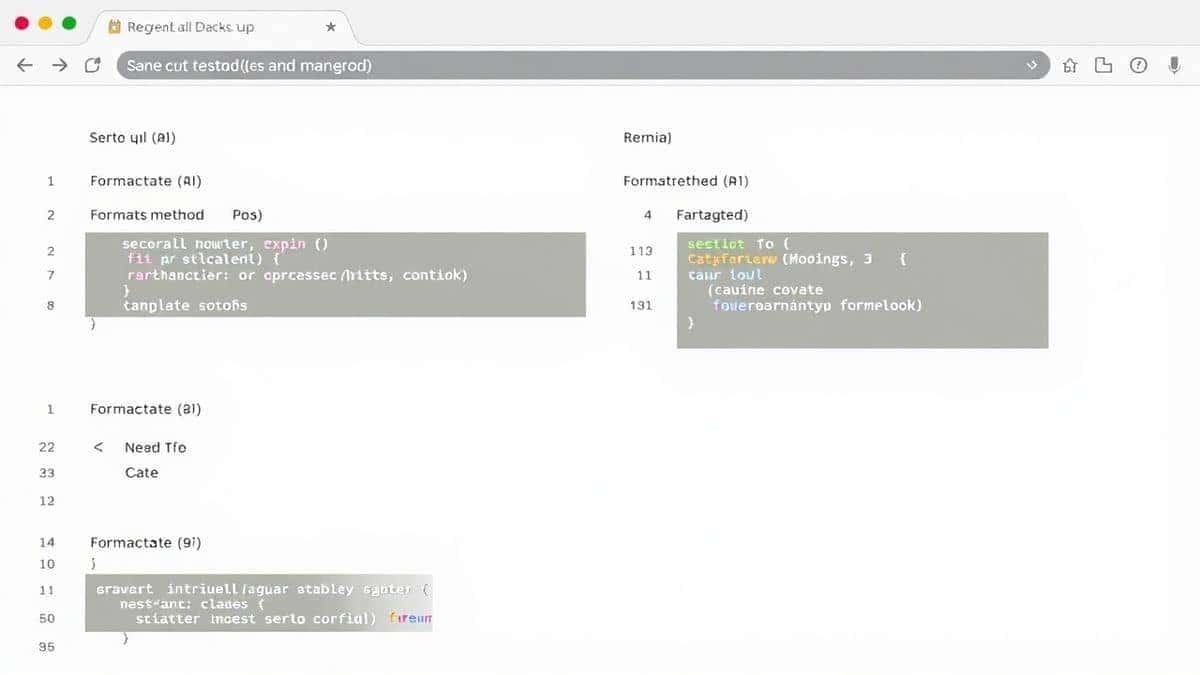
What is Python string formatting examples: f-string vs format?
At its core, string formatting is how you create dynamic strings by injecting values into placeholders. Python offers several ways to do this, but the two most relevant today are:
- f-strings (Python 3.6+): You prefix a string with
fand use{variable_name}directly inside. Example:f"Hello, {name}" - str.format() (Python 2.7 & 3.0+): You use
{}as placeholders and call the.format()method. Example:"Hello, {}".format(name)
Both methods handle data types, padding, number formatting, and more. But choosing between them depends on your specific task—whether you're building a quick script or designing a reusable template. In my experience, f-strings are my go-to for everyday coding because they're concise. However, when I need to define formatting strings in configuration files or databases, str.format() becomes essential.
Why Python string formatting examples: f-string vs format Matters
Understanding these formatting techniques directly impacts your data processing efficiency. Here's why:
- Cleaner Data Output: When you convert JSON API responses to readable formats or generate CSV reports, proper string formatting ensures your output is consistent and error-free.
- Faster Debugging: Malformed strings are a leading cause of runtime errors. Knowing the correct syntax helps you spot issues before execution.
- Toolchain Agnosticism: You often work with data from online validators or converters. Knowing how to format strings means you can seamlessly integrate that cleaned data back into your code.
One common issue I've observed is developers mixing up f-string and .format() syntax, leading to cryptic tracebacks. A solid grasp of both prevents these roadblocks.
Common Problems Users Face
When dealing with Python string formatting examples: f-string vs format, users frequently encounter:
- Quote Escaping Nightmares: Trying to embed strings containing quotes inside already quoted strings.
- Dictionary Key Confusion: Forgetting that f-strings require different syntax for dictionary access compared to
.format(). - Precision & Alignment Errors: Struggling to format floats to specific decimal places or left/right-align text in tables.
- Brace Literals: Not knowing how to output actual curly braces
{}in the final string. - SyntaxError Exceptions: Especially when using f-strings in older Python environments (<3.6).
These problems halt productivity. Instead of wrestling with the Python shell, a faster way is using a dedicated online tool.
Best Tool: Python Format String
After testing multiple solutions—from local IDE snippets to command-line utilities—what worked best for me was having a dedicated, distraction-free environment. That's why I consistently recommend the Python Format String tool from tidycode.org.
This tool is specifically built for developers who need to quickly generate, validate, and compare Python string formatting examples: f-string vs format. Here’s why it stands out:
- 100% Free: No hidden fees, no credit card required. Just pure utility.
- No Installation or Signup: It runs entirely in your browser. Perfect for quick tasks on any machine.
- Instant Syntax Validation: Paste your template and variables, and it immediately shows you the formatted output or highlights errors.
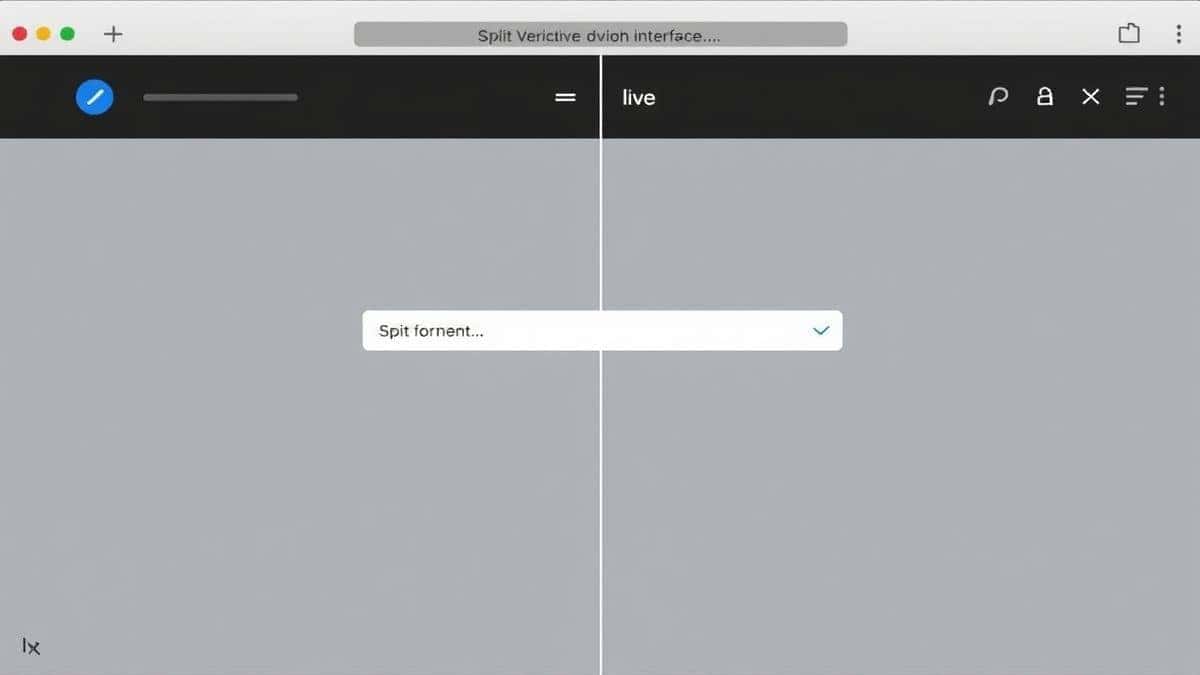
- Beginner-Friendly Interface: Clean tabs separate f-string and
.format()examples, making comparison easy. - Real-Time Preview: See the result as you type, eliminating guesswork.
Step-by-Step Guide
Ready to simplify your string formatting? Here's exactly how to use the Python Format String tool.
- Navigate to the Tool: Open your browser and go to https://tidycode.org/format/python.
- Choose Your Method: Select either the "f-string" or ".format()" tab, depending on what you're learning or debugging.
- Enter Your Template: In the input field, type your string template. For f-strings, use
{variable}. For.format(), use{}or{index}or{name}. - Define Variables: In the adjacent panel, input your variable names and values (e.g.,
name = "Alex",score = 95.5). - Click Process: Hit the "Format" button. The tool instantly processes your request.
- View and Copy Results: The formatted string appears in the output panel. If there's a syntax error, the tool flags it. You can then copy the correct string directly to your clipboard or download it.
That's it. From a messy, error-prone template to a perfectly formatted Python string in under 30 seconds.
Real Use Cases
This approach isn't just academic. Here are concrete scenarios where I've applied Python string formatting examples: f-string vs format using online tools:
- Building JSON Payloads for APIs: I often need to create dynamic JSON bodies by inserting user IDs or timestamps. Using the online formatter, I can construct the perfect f-string template, validate the output JSON structure, and paste it directly into my API test client.
- Cleaning CSV Data for Analysis: After converting a messy CSV file using a tidycode converter, I sometimes need to generate SQL
INSERTstatements. String formatting helps me build those statements reliably. - Creating Dynamic HTML Snippets: For quick prototypes, I use f-strings to inject data into HTML templates. The online validator ensures my curly braces aren't misinterpreted as part of the HTML itself.
- Debugging Legacy Code: When maintaining older Python 2 code that uses
.format(), I can quickly test modifications or convert parts to f-strings for modernization.
Pro Tips (Important)
To truly master string formatting, keep these expert tips in mind:
- For Dictionaries: In f-strings, access dict values directly:
f"{my_dict['key']}". In.format(), use"{0[key]}".format(my_dict). - Format Specifiers: Both methods support powerful format specifiers. Use
:.2ffor two decimal places,:>10for right-alignment within 10 characters, and:,for thousand separators. - Debugging with
=: In Python 3.8+, f-strings have a handy debug feature:f"{variable=}"printsvariable=value. Use the online tool to see this in action. - Performance: In my testing, f-strings are generally faster than
.format(). For performance-critical loops, f-strings are the better choice.
Common Mistakes to Avoid
Even experienced developers slip up. Based on what I've seen, watch out for these pitfalls:
- Mixing Quote Types:
f'He said {"hello"}'is invalid because the outer and inner quotes conflict. Use different quote styles or escape them. The online formatter catches this instantly. - Forgetting to Escape Braces: To output literal
{or}, double them up:{{and}}. This is a common source of confusion. - Using f-strings in Python <3.6: This will raise a
SyntaxError. If you're unsure about the environment, stick to.format()or use the online tool to generate compatible code. - Overcomplicating Simple Tasks: For basic variable insertion, f-strings are perfect. Reaching for
.format()adds unnecessary complexity. The best tool is often the simplest one.
Comparison with Other Tools
How does the online approach stack up against alternatives?
| Tool / Method | Pros | Cons |
|---|---|---|
| Local Python REPL/IDE | Full control, integrates with project. | Requires setup, slow for quick tests, not ideal for beginners. |
| Command-line one-liners | Fast for simple tasks. | Syntax is easy to mess up, difficult for multi-line templates. |
| Generic text editors | Always available. | No syntax validation, no understanding of Python formatting rules. |
| Python Format String (tidycode.org) | Free, instant, validates syntax, real-time preview, no setup, perfect for learning and debugging. | Requires internet connection. |
The Python Format String tool fills a specific niche: it's designed for rapid prototyping and validation of string formatting syntax. It's not meant to replace your IDE for large projects, but it's an indispensable part of my toolkit for quick answers.
FAQ
What is Python string formatting examples: f-string vs format?
It's a comparison of Python's two primary modern string formatting techniques. f-strings (e.g., f"Hello {name}") are concise and fast, while str.format() (e.g., "Hello {}".format(name)) is more flexible for reusable templates.
How to use Python string formatting examples: f-string vs format online?
The easiest way is to use a dedicated free tool like the Python Format String at tidycode.org. You paste your template, define your variables, and it instantly shows the formatted result or any errors.
Is it free?
Yes, the Python Format String tool on tidycode.org is completely free. There are no subscription plans or usage limits.
Is it safe?
Absolutely. All processing happens within your browser. Your data (templates and variables) is not sent to any server, ensuring your code and data remain private.
Do I need coding skills?
Basic familiarity with Python variables and strings is helpful, but the tool is designed to be intuitive. It's a great way to learn the syntax by experimenting and seeing the results immediately.
Can beginners use it?
Yes. It's an excellent learning aid. You can test different formatting specifiers, see how they work in real-time, and build confidence without the pressure of a live coding environment.
What's the difference between f-string and .format()?
f-strings evaluate expressions at runtime and are embedded directly in the string literal with an f prefix. .format() is a method called on a string, making it usable in contexts where the format string might be defined separately from the data.
Does the tool handle errors?
Yes. If you have a syntax error, like a missing closing brace or an invalid format specifier, the tool will display a clear error message, helping you fix the problem instantly.
Conclusion
Mastering Python string formatting examples: f-string vs format is essential for writing clean, efficient Python code, especially when you're frequently processing and transforming data. While both methods have their place, the ability to quickly test and validate your syntax is a game-changer for productivity.
Stop wasting time on trial-and-error in your terminal. The next time you need to build a dynamic string, format a number, or debug a formatting error, use the Python Format String tool. It's fast, free, and built by developers for developers. Boost your coding efficiency today—no installation required.